

Furnace not turning on? Start here.
When the house is getting cold, start with the thermostat and what the furnace is actually doing. A silent system, a failed start, and a fan running without heat give us different places to begin.
Generations HVAC helps homeowners in Lombard and nearby suburbs with furnace diagnosis and repair. Tell us what changed, and we’ll help you understand the next step.
We don’t sell, we inform.
Prefer to talk? Call 630-996-1157
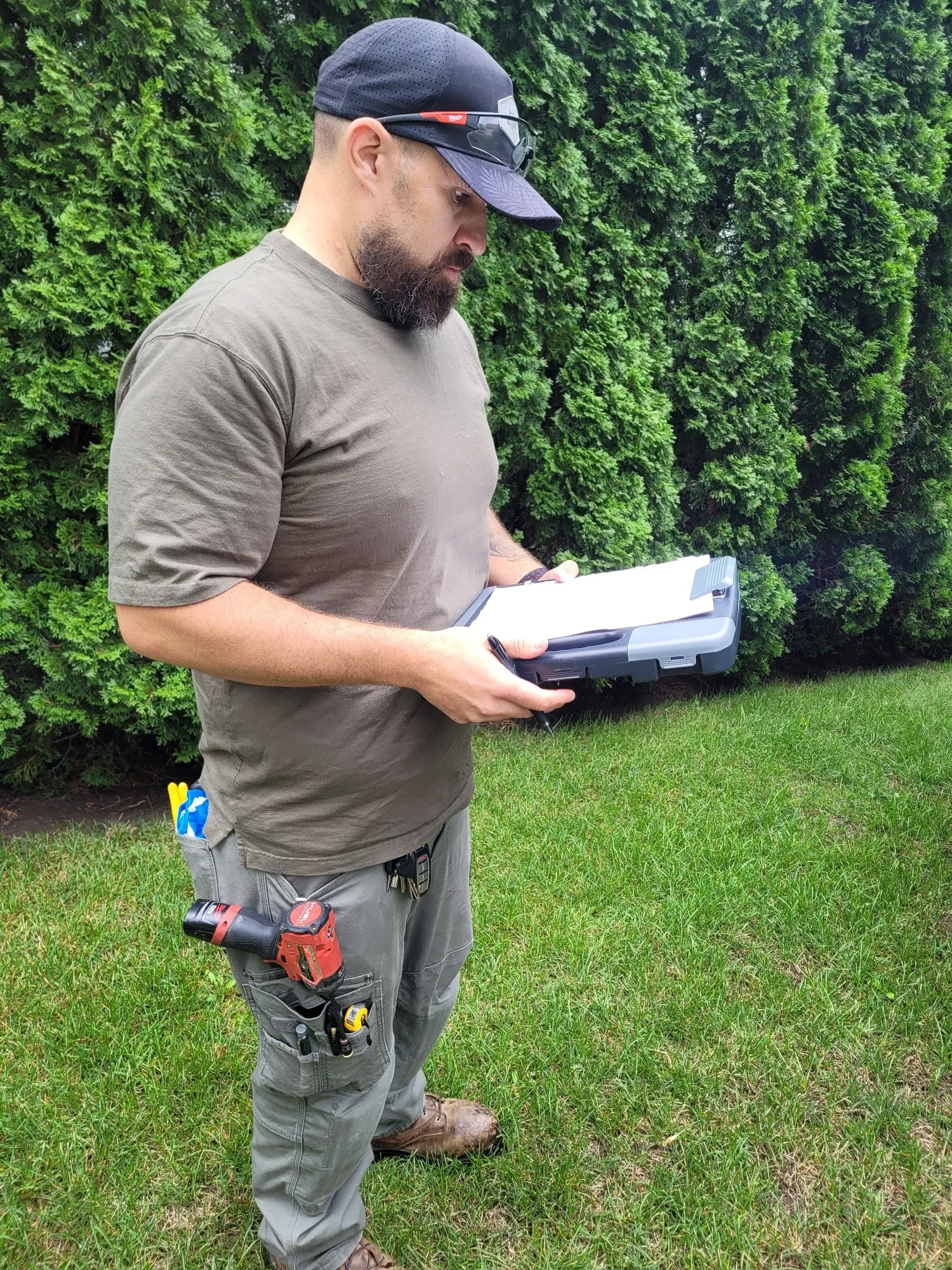
Four checks before a service request.
These checks are for a residential gas furnace. Keep equipment panels closed and follow your owner’s manual for routine homeowner maintenance.
Confirm the thermostat settings
Select HEAT and a temperature above the room reading. Check the active schedule or hold setting. Give the system the startup time described in its manual before changing settings again. [1]
Look for an obvious power clue
Replace user-accessible thermostat batteries if the manual calls for them. Note whether the clearly labeled furnace switch is off or a breaker has tripped. Don’t restore power to equipment shut down for an unknown reason or reset a tripped breaker; tell us what you found. [2]
Check the filter and room vents
With equipment off, check an accessible filter using the manufacturer’s instructions. Replace a dirty disposable filter with the correct type and size. Keep supply registers open and return grilles clear of furniture. Restricted airflow can contribute to a heating shutdown. [1]
Write down any visible message
If a display or light is visible without removing a panel, record the exact message or flash pattern. Include the pauses between flashes. Codes depend on the furnace model; the light’s color alone doesn’t identify the problem. [4]
Still no heat? You’ve gathered useful information. Leave internal wiring, burners, gas valves, and safety controls to a technician.
Request a furnace diagnosis →What happens when you ask for heat?
You don’t need to name the failed part. Start with the closest description.
Nothing seems to start
Tell us whether the thermostat is lit and whether you hear any response. Mention recent power outages, thermostat changes, or work around the furnace.
It tries, then goes quiet
Describe any clicking, humming, or brief operation you already noticed. Repeated attempts followed by a shutdown may involve a lockout; avoid cycling the power to force another start. [3]
Air moves, but there’s no heat
The indoor fan running doesn’t confirm the burners are heating. Check whether the thermostat fan is set to ON rather than AUTO, and tell us whether the air ever becomes warm. [1]
Find what interrupted the heating cycle.
A symptom helps guide testing. It doesn’t tell the whole story.
Power or a control problem
A gas furnace still needs electricity for its controls, ignition, and fan. A working thermostat screen doesn’t establish that all of those parts have the power and signals they need. [2]
Ignition or flame detection
A failed igniter can prevent lighting. If the control cannot confirm a flame, it can stop the gas supply. These components require testing; clicking by itself is not a reason to order a particular part. [2]
A protective shutdown
Overheating, venting problems, or repeated ignition failures can interrupt operation. A technician needs to identify why the protection operated and address the cause before returning the furnace to service. [3]
A model-specific fault
A stored fault or flash code helps narrow the investigation. The same number of flashes can mean different things on different models, so we use the correct equipment information alongside testing. [4]
The basic checks didn’t bring the heat back.
Request service if the furnace remains unresponsive, keeps stopping, or has a tripped breaker. For a loud bang at ignition, smoke, sparks, or a strong electrical burning odor, stop troubleshooting; leave and call 911 if there is fire or immediate danger. [1] [2]
If the house is getting cold quickly or someone depends on a warm indoor environment, call and explain the situation so we can discuss availability.
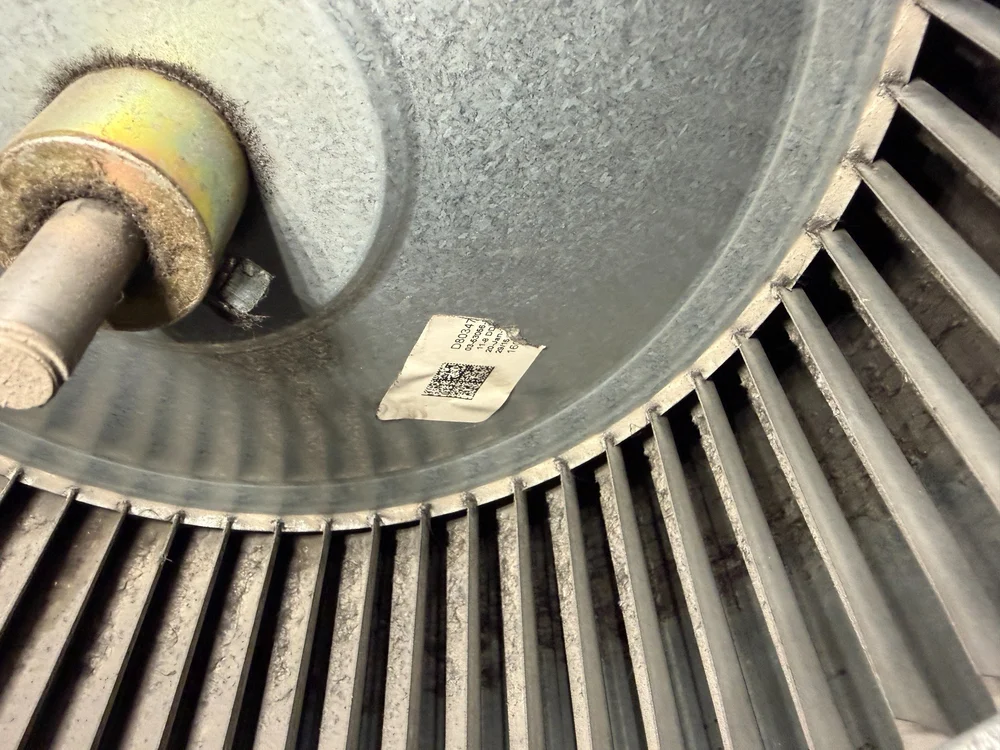
Explain the findings. Discuss the repair.
We start with your observations, examine the equipment, and explain what the diagnosis supports. Ask us to walk through the findings and what the proposed work will address.
If a repair makes sense, we’ll discuss it. If replacement deserves consideration, we’ll explain why and review the options with you.
Explore our furnace repair service →Furnace won’t turn on: questions we can help with.
Why won’t my furnace start when the thermostat is on?
The screen shows that the thermostat has some power. It doesn’t confirm the furnace has the electrical supply it needs or that ignition can complete. A technician can follow the heating call and find where operation stops. [2]
Should I keep resetting the furnace?
No. A furnace that repeatedly stops needs the cause investigated. Reset methods vary by model, and cycling the power is not a repair for a recurring lockout. Don’t bypass a safety switch or repeatedly demand another start. [3]
Does a blinking furnace light mean a part has failed?
Not necessarily. Some patterns indicate operating status, while others identify a fault condition. Record what you can see with the panels closed. We’ll check the model’s code information and test the relevant system. [4]
Is this guide for a heat pump?
This page focuses on gas furnaces. If your home has a heat pump or a combined heat pump and furnace system, tell us which equipment you have and what the thermostat displays. Visit our heat pump service page for that system type.
Can you help if I’m outside Lombard?
Generations HVAC serves Lombard and nearby suburbs. Check our service areas, then share your address and heating concern so we can confirm coverage and availability.
Sources behind this guide
- Carrier: furnace settings, filters, and basic troubleshooting
- Trane: furnace ignition and electrical power concerns
- Trane: furnace lockouts and professional diagnosis
- Trane: interpreting furnace lights and error codes
- Nicor Gas: natural gas safety and emergency contacts
- U.S. Consumer Product Safety Commission: carbon monoxide alarms
Let’s talk about getting your heat working.
Tell Generations HVAC what your furnace is doing and where you’re located. We’ll discuss availability and the next step.
An online request is not a confirmed appointment.