

Repair or replace your furnace?
Told you need a new system? Let’s check the repair options.
If another company has recommended replacement, you deserve to understand what failed and whether it can be repaired. At Generations HVAC, we investigate the problem and look for a safe, sensible repair first.
Get the repair question answered first.
Maybe you called because the heat stopped and came away with a replacement quote. Maybe the explanation was simply that the furnace is old. If you still do not understand the problem or your repair options, a second opinion is a reasonable next step.
Our starting point is the system you already own. We assess the reported failure, check the relevant operation, and explain what can be corrected. When repair makes sense, we’ll put that option on the table.
If our findings support replacement, we’ll explain the reason and what the proposed work addresses. You should be able to follow the recommendation all the way back to the evidence.
A repair deserves a fair evaluation.
Before asking you to invest in new equipment, we want to know whether the problem can be resolved with the furnace you have.
Understand what stopped working.
A furnace that will not heat needs a diagnosis. We check the relevant sequence and components so the recommendation addresses the actual problem.
Know what keeping it involves.
We discuss the proposed repair, parts availability, applicable coverage, and the condition of the rest of the equipment. You should know what the work will—and will not—address.
Choose with the facts in front of you.
Your budget, comfort concerns, breakdown history, and plans for the home matter. A safe repair may be a useful choice, even when you intend to replace the system later.
When does repair make sense?
Use these questions to understand a recommendation. An inspection determines which conditions apply to your furnace.
| What to evaluate | Repair may make sense when… | Replacement deserves consideration when… |
|---|---|---|
| The actual failure | The problem is identified and a suitable repair can restore proper operation. | Correcting the problem would require substantial work, or a suitable repair is unavailable. |
| Overall condition | The remaining equipment is in serviceable condition and the repair addresses the complaint. | There are several documented problems or significant deterioration beyond the immediate failure. |
| Breakdown history | This is an isolated failure in equipment that has otherwise served the home well. | Recurring, separately diagnosed failures are making continued ownership difficult. |
| Parts and coverage | The needed parts are available and any applicable warranty makes repair more practical. | Parts availability, delays, labor, and uncovered costs make the repair difficult to justify. |
| Comfort and your plans | The furnace meets your needs, and restoring it fits your budget and plans for the home. | You have clearly defined needs that a properly planned replacement can address. |
Age belongs in the discussion. ENERGY STAR identifies aging equipment and frequent repairs as reasons to evaluate your options. At Generations, the equipment’s age starts a conversation about condition and choices; it does not replace the diagnosis. [1]
Keep it off. Ask for the findings.
Take a safety warning seriously. Leave equipment that has been shut down for a safety concern off while you arrange a qualified evaluation. A second opinion can clarify the problem and available remedies.
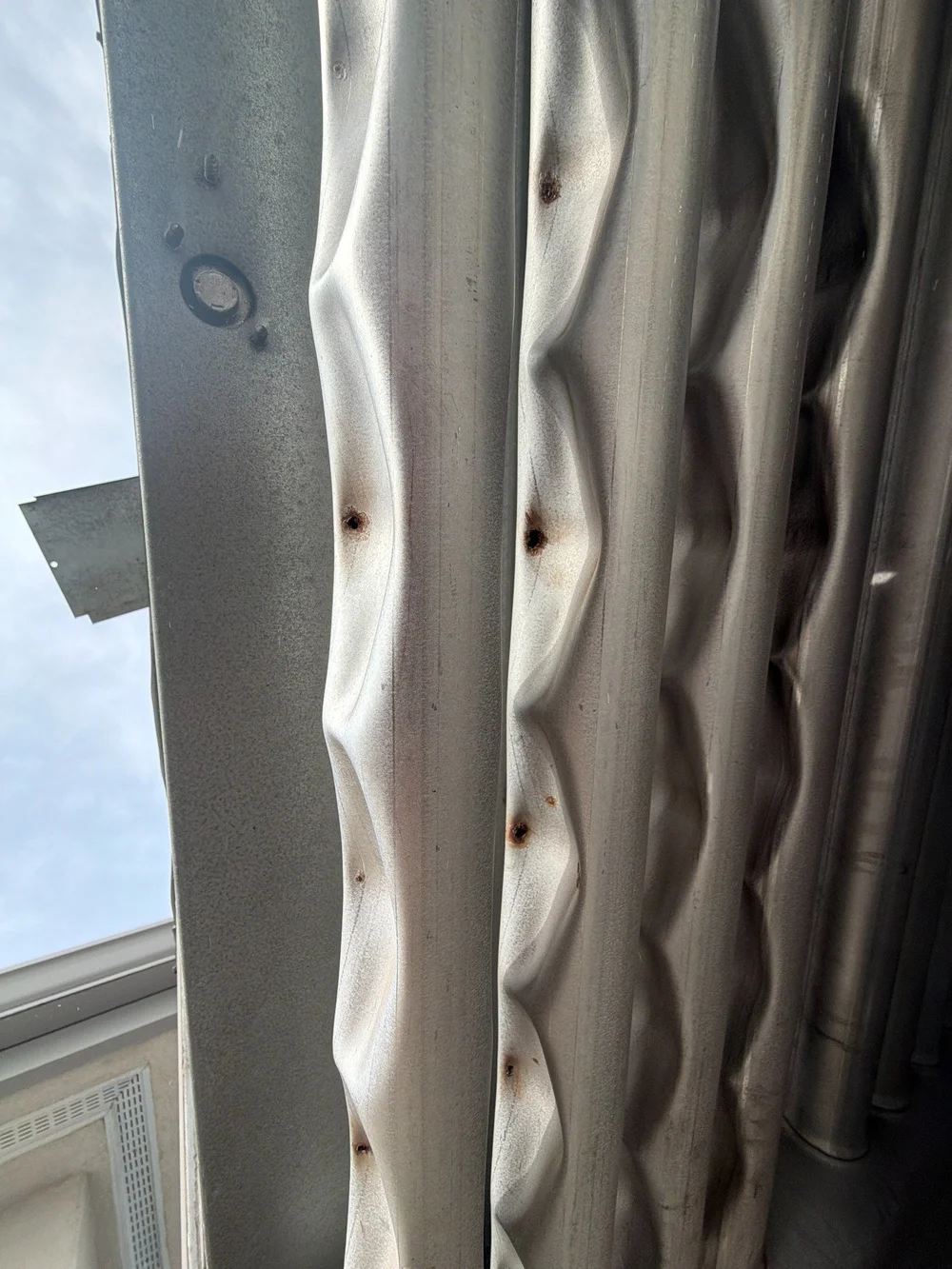
For a reported heat-exchanger defect, ask how it was identified and what evidence supports the finding. A confirmed crack may require replacement of the heat exchanger or the furnace. We can review the available options, parts coverage, labor, and overall condition with you. [2]
Our repair-first approach includes explaining when a safe repair is available—and when the equipment needs to remain off until a more substantial correction is completed.
Ask for an explanation you can follow.
A large replacement quote can feel urgent when the house is cold. These questions help you understand the recommendation and compare your actual options.
If the answers still leave you unsure, bring the proposal to Generations. We’ll evaluate the reported problem and discuss the repair path before recommending a new system.
- What failed, and what confirmed it?Ask for the explanation behind a photo, reading, or test result.
- Can that problem be repaired safely?If repair was ruled out, ask about the specific reason: condition, parts, cost, or another limitation.
- What would the complete repair include?Clarify parts, labor, related work, coverage, and anything that remains unresolved.
- Why replace the whole system?If the recommendation includes the AC too, ask what requires that component to change.
- What makes the proposed equipment right for this home?Ask how sizing, airflow, ductwork, venting, and startup checks are included in the plan. [5]
Compare the complete work and what it solves.
Ask for the total proposed repair cost and a clear replacement scope. Check what is included, what coverage applies, and which existing components can remain. A monthly payment alone does not explain the total cost.
A furnace’s age multiplied by a repair estimate—the sometimes-mentioned “$5,000 rule”—is not how we decide whether your furnace needs replacement. That shortcut cannot establish safety, diagnose the failure, confirm warranty coverage, or predict remaining life.
Before you commit to replacement.
Another company says I need a new furnace. Will you look at repairing it?
Yes. Tell us what the company found and what it recommended. We’ll arrange an evaluation, check the relevant condition and operation, and explain whether a safe, sensible repair is available. We confirm the visit scope and charges before scheduling.
Does a 15- or 20-year-old furnace automatically need replacement?
We do not make that recommendation from age alone. We consider the actual failure, safety findings, condition, parts availability, repair history, and your needs. Older equipment deserves a careful evaluation, and we cannot promise how many years any individual furnace has left.
Will you always recommend repair?
We look for a safe, sensible repair first. A second opinion may confirm that replacement is appropriate. In either case, we explain the findings, the realistic options, and why the recommended work makes sense.
If I replace the furnace, must I replace the air conditioner too?
There is no automatic requirement to replace both simply because one has failed. The decision depends on the condition and compatibility of the existing equipment and proposed combination. Ask which components need to change and why. [6]
Can I keep using a furnace that another company shut down?
Leave it off until qualified personnel have evaluated and resolved the safety concern. Do not restart it or bypass a safety control while waiting for a second opinion. If there is a gas smell or carbon monoxide alarm, leave the home and follow the emergency guidance above.
Can you decide from a photo or another company’s quote?
Those records help explain what you were told, but they may not be enough to confirm the diagnosis or equipment safety. We’ll explain what needs to be evaluated at the home before recommending work.
Before you buy a new furnace, let’s see what can be repaired.
Already have a replacement recommendation? Tell us what you were told. We’ll explain the next step, look for a safe repair, and help you understand your options.
Serving Lombard and nearby suburbs. We’ll confirm your address, availability, and any charges before arranging a visit.