Your furnace isn’t heating. Let’s figure out why.
A cold house needs a clear answer—not a sales pitch. We find out what’s happening, explain the repair options, and help you understand the next step. Repair first, when a safe, sensible repair is the right choice.
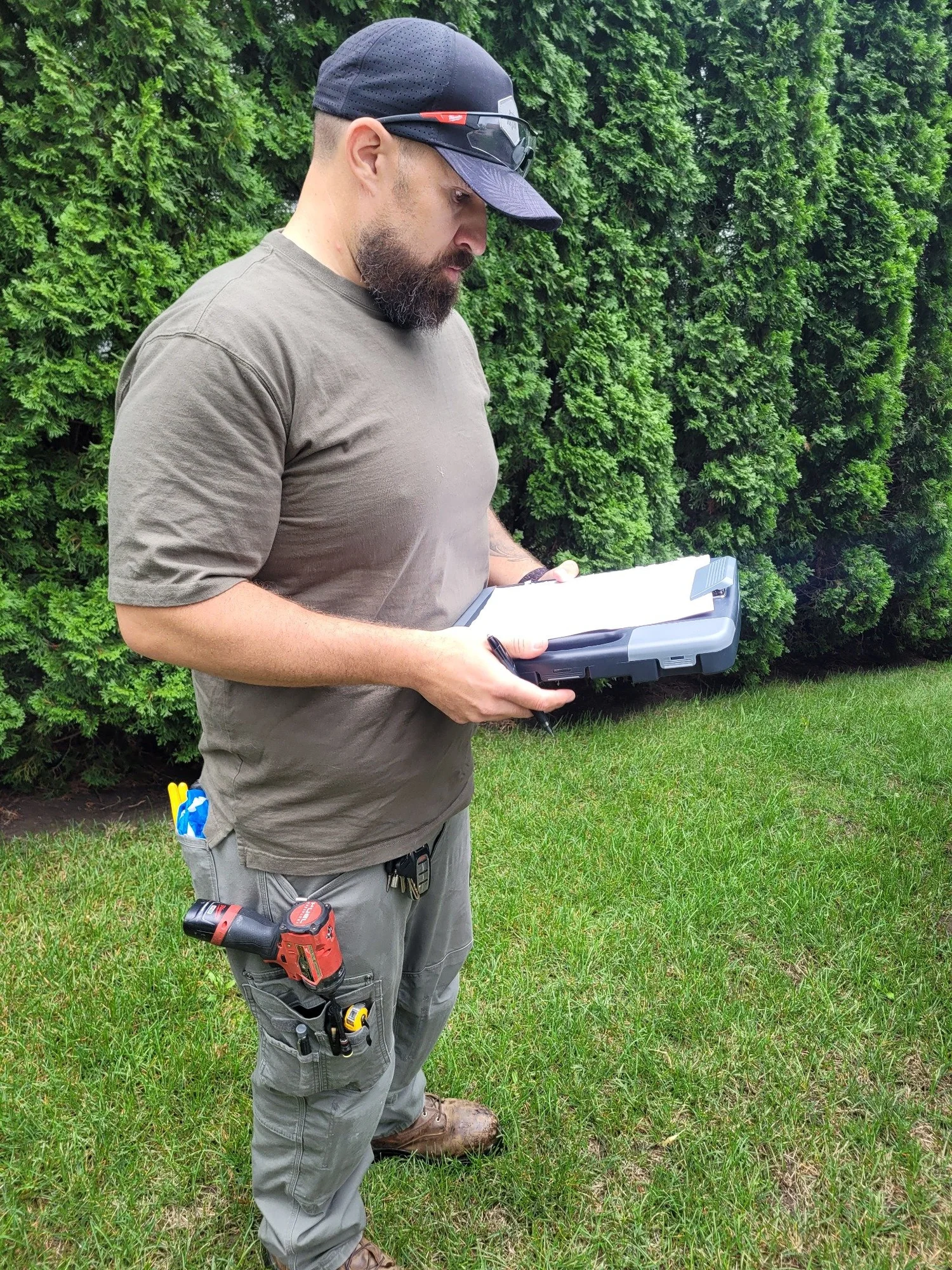
Start with the things you can safely check.
No gas smell or alarm? These basic checks are a useful starting point. You do not need to take the furnace apart, open the burner compartment, or adjust gas controls.
Still no heat afterward? Tell us what you checked and what the furnace does when the thermostat calls. We’ll take it from there.
Leave ignition repairs, wiring, breaker resets, and safety-switch testing to a qualified technician. Never bypass a safety switch to make the furnace run. [6][8]
Tell us what your home is doing.
You don’t need the name of the failed part. What changed, when it happens, and what you hear are all useful places to start.
Furnace won’t turn on
You turn up the thermostat, but the furnace never starts a heating cycle.
See the no-heat answer →Air blows, but it isn’t warm
There’s air at the vents, but the house is not getting warmer.
See the cold-air answer →It starts, then stops
The furnace runs briefly, shuts down, and tries again before the house is comfortable.
See the short-cycling answer →There’s a new noise
You hear a rattle, squeal, hum, or a sound you have not heard before.
See the noise answer →Some rooms stay cold
The furnace makes heat, but one floor or a few rooms never feel right.
See the uneven-heat answer →It’s older. Is repair worth it?
You want the facts about the condition and repair—not an automatic replacement pitch.
See the repair-first answer →The symptom is the starting point. Testing tells us more.
We want to understand why the furnace stopped—not just find a part we can replace.
Ignition and flame sensing
A gas furnace must light and confirm a flame. An ignition problem or missing flame signal can interrupt that sequence. We test before deciding what needs cleaning or replacement. [6][8]
Airflow and blower operation
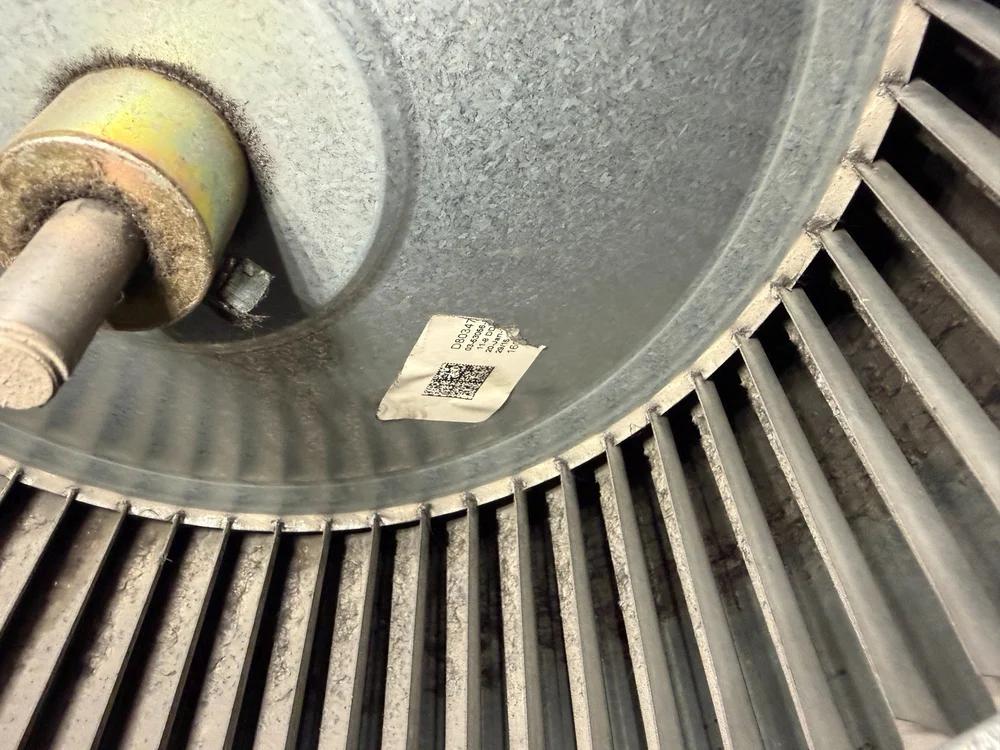
A restricted filter or blower problem can reduce heat delivery. Too little airflow can also cause overheating and a safety shutdown. [4][5]
Thermostat, power, and controls
A heating call has to reach the equipment, and the equipment has to respond. Thermostat, power, and control problems can look similar from the living room. [3][4]
Heat exchanger and venting
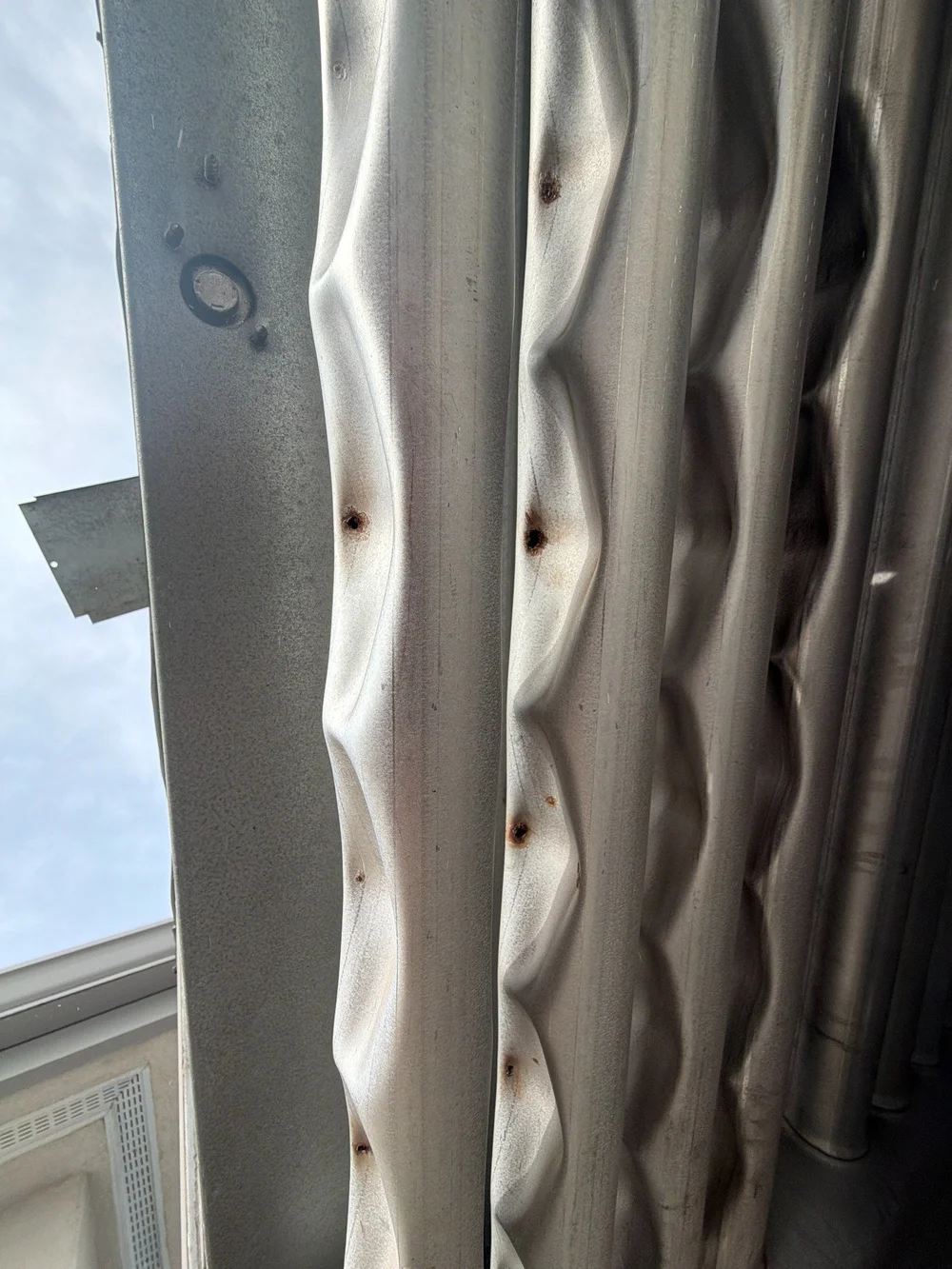
The heat exchanger transfers heat while keeping combustion gases separate from household air. Its condition and the path that carries exhaust outside matter—not just whether warm air comes out. [7]
We’d rather show you than ask you to take our word for it.
These are original field photographs from our work. During your visit, we’ll explain what a finding means for your system and what still needs to be tested.
Listen. Test. Explain. You decide.
We listen
When did the heat stop? Is it constant or intermittent? Tell us what you’ve noticed and what you have already checked.
We investigate
We follow the operating sequence and use the checks the situation calls for, including electrical, airflow, ignition, venting, and combustion checks as appropriate.
We explain
We show you what we found, explain the recommended work and price before proceeding, and make room for your questions.
You choose
You choose among the safe options. After authorized work, we check operation and document the visit. Unsafe equipment stays off until corrected.
An older furnace deserves a diagnosis—not an automatic sales pitch.
We’ll consider the actual failure, overall condition, available parts, repair cost, and what you need from the equipment. When repair makes sense, we’ll explain it. When replacement deserves consideration, we’ll explain that too.
Repair-first does not mean running equipment we have found unsafe. If a safety issue is identified, we’ll explain the evidence, why the equipment needs to stay off, and what correcting it involves.
A little understanding goes a long way.
Select a question to open its answer.
Why won’t the furnace turn on at all?
The thermostat setting, electrical supply, controls, or ignition sequence may be involved. Check the simple items above first. If it still will not start, leave internal testing to a technician instead of repeatedly resetting it. [3][8]
Why does air come out of the vents without heat?
The fan may be set to ON and circulating air between heating cycles. If the house continues cooling during a heating call, an ignition failure or overheating shutdown is among the possibilities. The fan running does not, by itself, prove the furnace is producing heat. [4][5]
Why does it start and shut off again?
A missing flame-confirmation signal can stop the burners shortly after ignition. Overheating from restricted airflow can also interrupt a heating cycle. Those are different problems, so the timing and operating sequence matter. Do not bypass a safety or keep forcing restarts. [5][6]
When should I stop running a noisy furnace?
A new sound should be investigated, especially a loud bang at ignition or grinding. When there is no gas smell, smoke, fire, or alarm, turn heating off at the thermostat if safe and arrange service rather than repeatedly starting it to reproduce the sound. A gas smell, fire, or carbon monoxide alarm is an emergency: leave and call 911 from outside. [1][2][3]
Does uneven heat mean I need a bigger furnace?
Not automatically. Blocked vents, airflow restrictions, and duct problems can affect where heat reaches. We would evaluate the equipment and air delivery before recommending a different furnace size. [3][4]
Will you repair an older furnace instead of replacing it?
We’ll look for a safe, reasonable repair and explain its costs and limits. Age is part of the conversation, not the whole diagnosis. You’ll know why we are recommending repair or replacement before you decide.
Homeowner reference links
- Nicor Gas: gas-leak emergency guidance
- U.S. Consumer Product Safety Commission: carbon monoxide alarms
- Carrier: homeowner furnace troubleshooting
- Trane: blower operation and thermostat fan settings
- Carrier: why a furnace blows cold air
- Carrier: flame sensing and shutdowns
- Trane: heat exchangers and safe operation
- Trane: furnace ignition problems
Let’s get your heat—and your peace of mind—back.
Tell us what’s happening. We’ll listen, explain the next step, and help you make an informed decision about your furnace.