Heat pumps. Let’s see what makes sense.
Thinking about a heat pump—or trying to understand the one you already have? We’ll explain the options, look at your home and equipment, and help you decide what fits. No automatic replacement pitch.
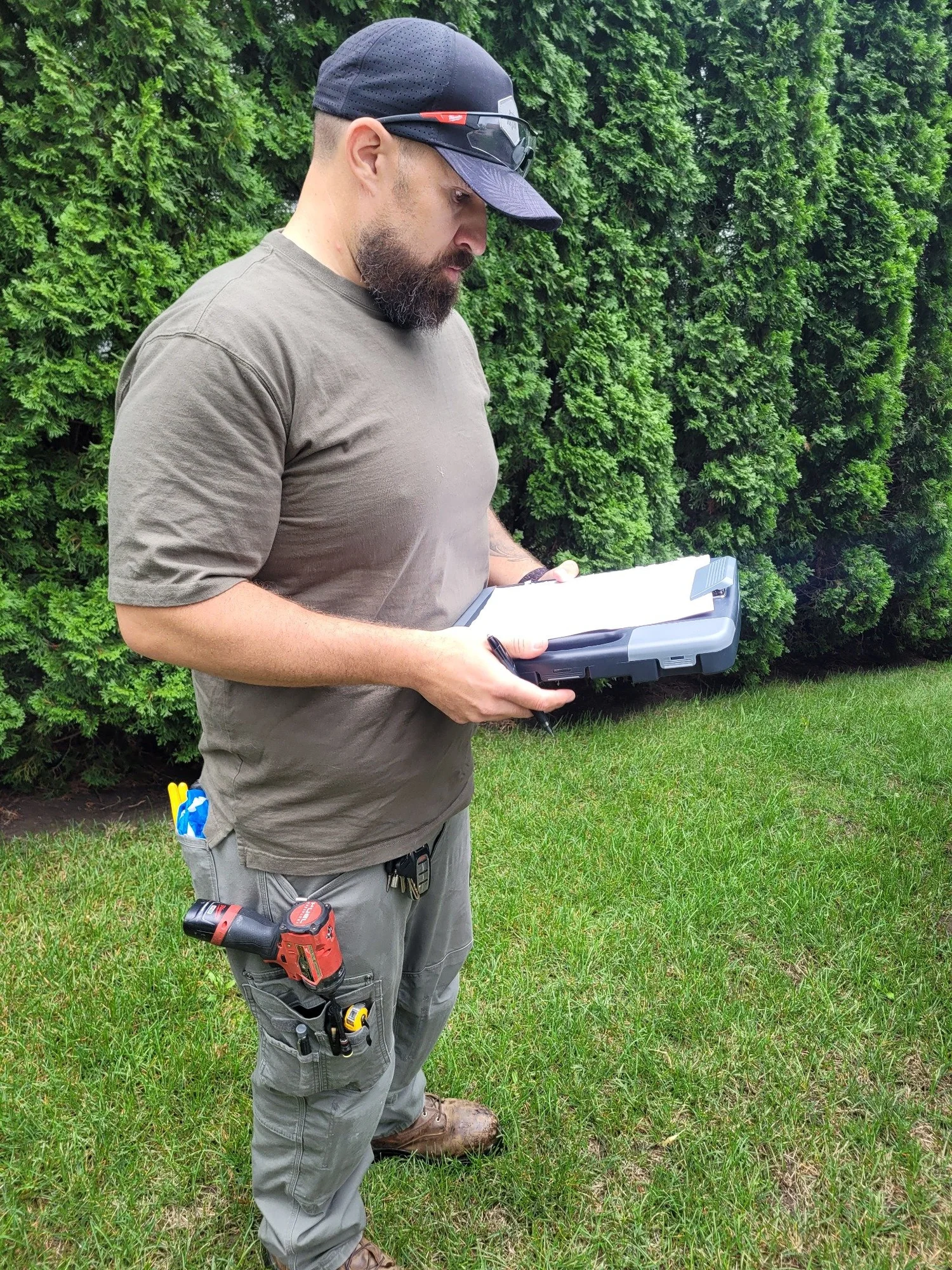
New system, existing problem, or routine care?
You don’t need to arrive with a model number picked out. Tell us what you want to improve, or what your equipment is doing now.
I’m considering a heat pump
You want to compare a ducted system, ductless option, or a setup that works alongside a furnace.
Compare the optionsMy heat pump needs help
It isn’t keeping up, won’t switch modes, or has a new noise or operating issue. Let’s understand it before recommending work.
See our repair approachI want to keep it maintained
You want a visit planned around your system—not the same checklist applied to every piece of equipment.
Plan a maintenance visitIt moves heat. In either direction.
An air-source heat pump uses electricity to move heat between your home and the outdoor air. The same system can provide heating and air conditioning. [1]
That explains the basic idea. Whether a particular system makes sense for your home is a separate conversation.
“Works in the cold” is the beginning of the conversation.
Cold-climate models are evaluated for low-temperature performance. That designation is useful, but it doesn’t tell us whether a particular model can cover your home’s heating needs by itself. We still need to compare the equipment’s output with the job it has to do. [3]
Your home’s heating and cooling needs
We start with the load the home presents, not a guess based only on square footage or the old unit’s label. Insulation, windows, and air leakage belong in that evaluation. [4]
Output in cold weather
We look at model-specific heating performance at relevant outdoor temperatures—not just its advertised cooling size. [3][5]
Airflow and equipment fit
We evaluate the indoor equipment, ductwork or room-unit layout, electrical requirements, and controls as a complete system. [2][4]
Backup heat and operating costs
We discuss the backup strategy, where needed, and the assumptions behind cost comparisons. Utility rates and how the system runs matter. [5]
A recommendation should explain its limits as clearly as its benefits. We won’t promise a particular bill reduction or tell you that backup heat is always—or never—needed.
A problem deserves a diagnosis. Not a sales pitch.
Tell us whether the problem happens in heating, cooling, or both. We’ll use the symptoms as a starting point, test what’s relevant, and explain the findings before recommending work.
Thermostat settings, airflow, electrical components, refrigerant issues, and defrost operation can affect performance. The symptom alone does not identify the failed part. [6]
Useful things to tell us
- Which mode is selected, and what room temperature you’re seeing.
- Whether the indoor and outdoor units appear to be running.
- Any new noise, visible ice, or displayed message.
- When it started, and whether it happens continuously or comes and goes.
Observe only from a safe location. Leave panels closed and internal electrical or refrigerant testing to a qualified technician. Do not chip ice off the coil. [6]
The details belong in the explanation.
These photos are examples from our HVAC work, not a before-and-after pair. Your own equipment gets its own inspection and explanation.
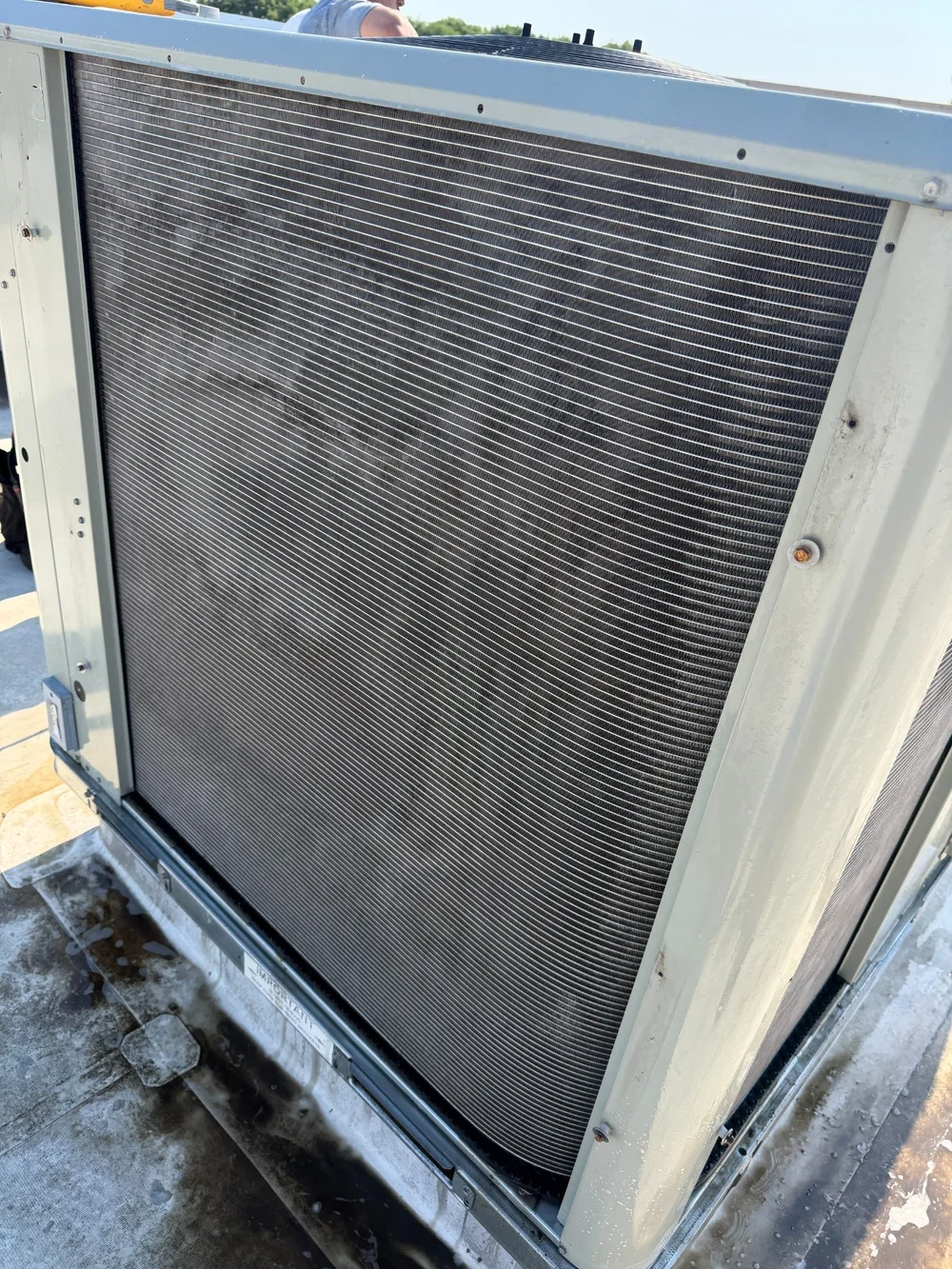

Maintenance should match your equipment.
Tell us about your indoor units, outdoor unit, and any backup heat when you book. We’ll confirm the visit’s scope and explain which checks and cleaning are included.
When additional work is recommended, you’ll hear what it involves and what it costs before you authorize it. “No additional work needed today” is a welcome outcome.
Prefer an ongoing plan?
Ask about Generations Comfort Club. We’ll discuss whether the current membership fits your equipment and explain the applicable services and terms before you enroll.
Get comfortable with the options first.
Select a question to open its answer.
Can a heat pump work through a cold winter?
Cold-climate air-source models are designed and tested for low-temperature heating. The important question is how the selected model’s available heat compares with your home’s needs—and what happens when backup is required. It is not a blanket promise that every heat pump can heat every home alone. [3][5]
Do I have to remove my gas furnace?
Not necessarily. A dual-fuel design uses a heat pump with a compatible furnace. We would check the indoor coil, blower, controls, and intended operation before recommending that arrangement. Keeping a furnace is an option to evaluate, not a guarantee that any existing furnace is a match. [1][4]
Can I keep my existing ductwork?
Possibly. Existing ducts need to deliver the required airflow and be in suitable condition. A bigger outdoor unit does not fix restrictive ductwork. We would evaluate the air-delivery system before deciding what can stay and what needs attention. [4]
Is a mini-split always a whole-house solution?
No. Ductless units can serve selected zones, and some designs serve an entire home. Room layout, closed doors, unit placement, and each area’s heating and cooling needs affect the plan. We’ll discuss the intended coverage rather than assuming one indoor unit can serve every room. [2]
Will my utility bills automatically go down?
No savings figure applies to every home. The equipment you are replacing, installed performance, weather, utility rates, and use of backup heat all affect the comparison. We’ll explain the assumptions rather than promising a percentage before evaluating the project. [5]
Does frost on the outdoor unit mean it is broken?
Light frost can occur during heating and be cleared by the system’s defrost cycle. Heavy or persistent ice, blocked airflow, or falling indoor temperature calls for attention. Do not chip the ice away; contact us so we can evaluate what is happening. [6][7]
Do I need to pick a brand before contacting you?
No. Start with what you want from the system, the equipment you already have, and any comfort problems. We’ll discuss suitable options and the reasons behind them. Asking for information does not commit you to an installation.
Homeowner reference links
- U.S. Department of Energy: heat pumps, ducted systems, and dual fuel
- ENERGY STAR: ductless heating and cooling
- ENERGY STAR: cold-climate heat-pump performance criteria
- U.S. Department of Energy: HVAC quality installation
- U.S. Department of Energy: efficient heat-pump selection and operation
- Carrier: heat-pump troubleshooting and frost concerns
- Lennox: normal frost versus problematic ice buildup
Let’s talk about your home. Then the equipment.
Repair, maintenance, or a new system—we’ll help you understand the next step without rushing the decision.