Learn before you decide.
You don’t need to become a technician. Start with what you notice, understand the possibilities, and feel more comfortable with the next step.
There’s knowledge here worth sharing. These are the kinds of questions we welcome on a service call—answered here so you can start at your own pace.
A starting point, not a diagnosis or instructions for internal electrical, gas, or refrigerant repairs.
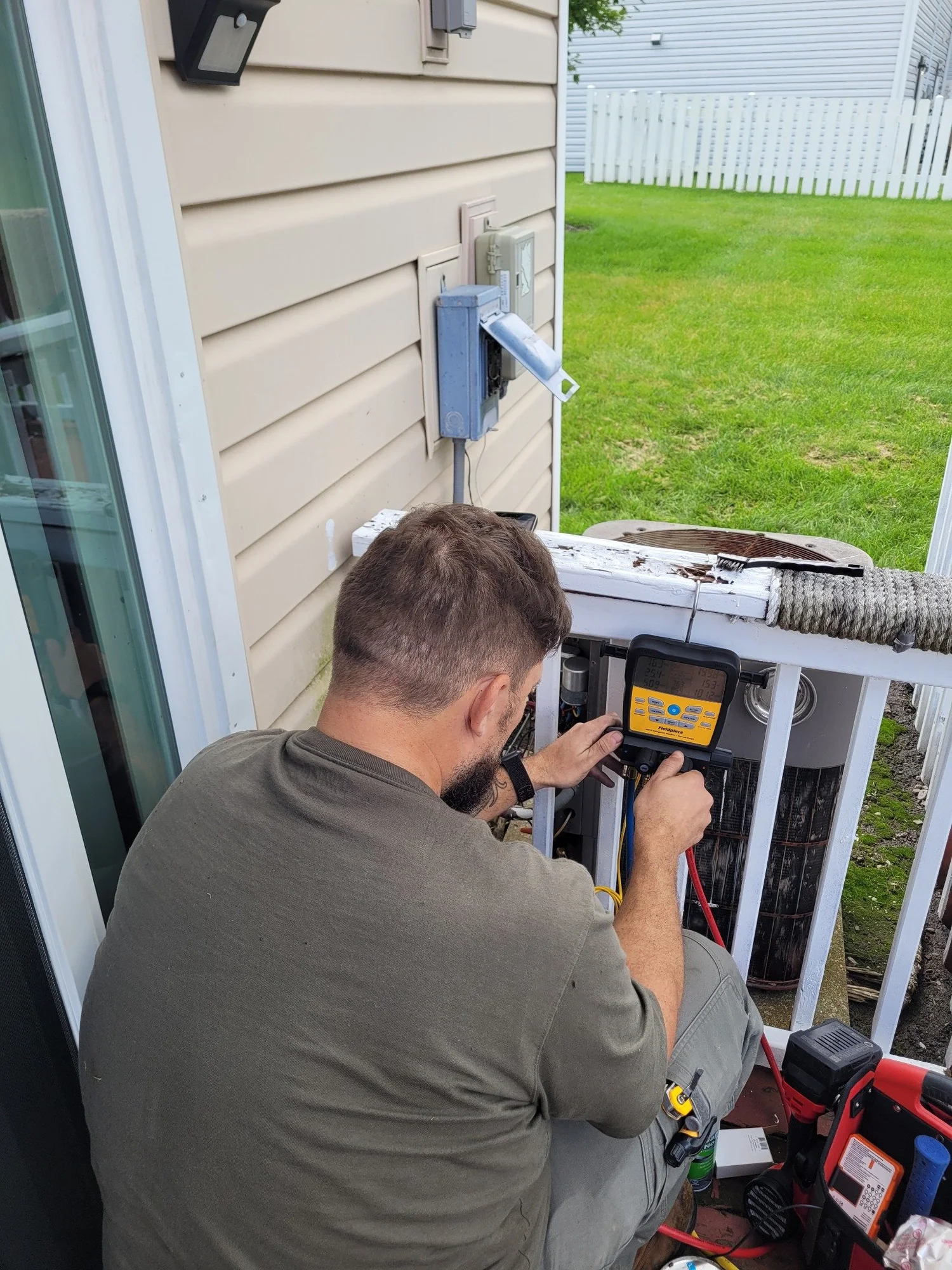
A useful answer starts with a good question.
Choose a topic, then select a question to open its answer. Start with the simple observations and leave internal testing to a qualified technician.
AC & cooling
Warm air, ice, or equipment that cannot keep up.
My AC is running, but the air isn’t cold.
Check the thermostat is set to COOL and the requested temperature is below the room temperature. If your filter is safely accessible, check its condition using the equipment’s instructions.
Airflow restrictions, coil condition, electrical problems, and refrigerant issues can produce similar symptoms. A running fan does not tell us which one is involved. Still no cooling? Turn cooling off and arrange a diagnosis rather than keep forcing it to run. [3]
There’s ice on the AC line. What now?
Turn cooling off and arrange service. Allow the ice to thaw naturally; do not chip at it or use a heater to speed things up. Keep away from water near electrical equipment.
Airflow restrictions and refrigeration problems are among the possible causes. Thawing removes the ice—it does not establish that the cause has been corrected. [4]
The house never reaches the temperature I set.
Write down the set temperature, room temperature, and when the problem happens. Notice whether the whole home struggles or just certain rooms.
Equipment performance, airflow, duct condition, and the home’s cooling needs all belong in the evaluation. Turning the thermostat much lower does not tell us which problem needs fixing. [11]
Furnaces & heating
No heat, cool air at the vents, or interrupted cycles.
My furnace won’t start. What can I check?
With no gas smell, smoke, fire, or CO alarm, check that the thermostat is set to HEAT above the room temperature. Check thermostat batteries if it uses them. Keep supply vents and returns unobstructed.
If it still will not start, contact us. Leave panels, gas controls, wiring, and safety switches alone; do not repeatedly reset it to force a start. [5]
Why is the fan blowing air without heat?
When the thermostat fan setting is ON, the blower may move room-temperature air between heating cycles. AUTO is a useful setting to check.
If the house keeps cooling during a heating call, an ignition problem or an overheating shutdown may be involved. Tell us whether the furnace starts, stops, or never makes heat rather than assuming the fan proves everything is working. [6]
Care between visits
Know what to monitor and when to arrange maintenance.
How often should I check my filter?
Check it regularly; ENERGY STAR suggests monthly inspection. The replacement interval depends on the filter, equipment instructions, and conditions in the home—not one rule for every system.
If this is a filter you normally change yourself, switch the equipment off and follow its instructions for the correct type, size, direction, and access. Ask us if anything is unclear. [7][8]
When should heating and cooling be serviced?
ENERGY STAR recommends annual preseason checks: cooling ahead of summer and heating ahead of winter. Your equipment and usage may require a different care schedule. [7]
An existing failure needs a diagnosis, not an assumption that a tune-up will fix it. Describe any problem when booking so we can arrange the right visit.
Filters, humidity & comfort
A better question comes before another product.
Should I buy the highest-MERV filter?
Not without checking fit and compatibility. MERV compares particle-capture performance; the system fan and filter slot still need to accommodate the filter.
EPA recommends MERV 13, or the highest efficiency the system can accommodate, when upgrading filtration. Ask us about a suitable option rather than choosing by the rating alone. [8]
What humidity level should I aim for?
EPA recommends staying below 60% relative humidity, ideally 30–50% when possible. That is general guidance, not a setting that prevents condensation in every house.
If windows or other surfaces stay wet, address the moisture instead of adding more to hit a target. A leak or damp building material needs attention at its source. [9]
Heat pumps & dual fuel
Understand what the system does before choosing one.
Does a heat pump heat and cool?
Yes. An air-source heat pump moves indoor heat outside during cooling, and brings heat from outdoor air into the home during heating.
Cold-climate equipment is designed for low-temperature operation. Suitability still depends on how the selected system’s output compares with the home’s heating needs and the planned backup strategy. [10]
Would I have to give up my gas furnace?
Not necessarily. A dual-fuel arrangement combines a heat pump with a compatible furnace. The controls and operating plan determine how they share the heating job. [10]
We would check the actual equipment and proposed combination before recommending it. Keeping your furnace is an option to evaluate—not an automatic yes or no.
Repair or replace
Put the evidence and scope ahead of the sales pitch.
Does older equipment automatically need replacement?
Not in our approach. We’ll discuss the actual failure, equipment condition, available repair options, cost, and what you need from the system.
When a safe, sensible repair is available, it deserves an explanation. When replacement deserves consideration, so does that. Equipment found unsafe must stay off until the problem is corrected.
Will a bigger unit fix uncomfortable rooms?
Not automatically. Oversized equipment can cycle too often, and changing capacity does not repair a poor air-delivery system. Sizing should reflect the home’s needs, alongside duct and airflow checks. [11]
Bring the room-to-room problem into the conversation before choosing equipment. We’ll explain what should change and why.
Not finding your exact situation? You can describe it in your own words. You do not need a diagnosis before contacting us.
Knowledge should give you options. Not pressure.
We want you to understand a recommendation well enough to question it. What did the testing show? What does the repair address? What else is worth considering?
Ask us why.
We’ll explain what we know, what still needs checking, and the safe options available. A repair, more investigation, replacement, or nothing extra today—the reason should be clear before you decide.
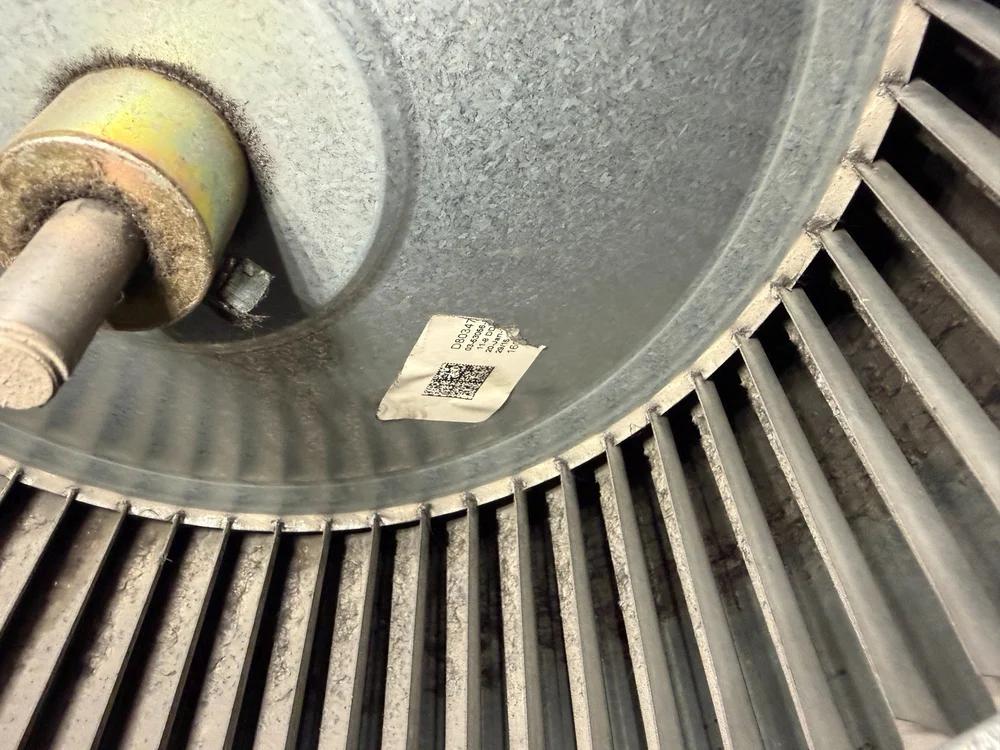
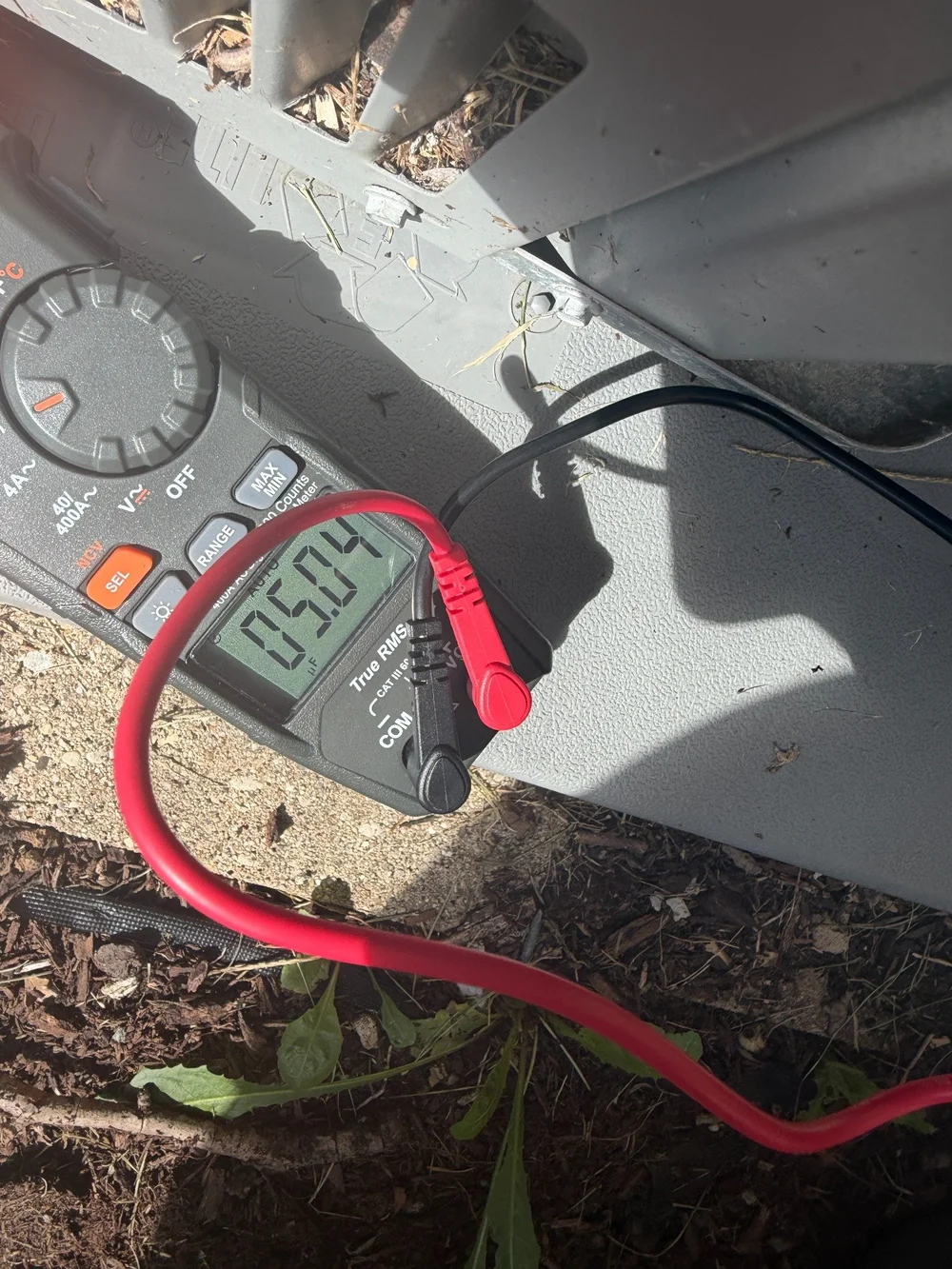
See what we’re looking at.
These are original photographs from our field work. The point is to make the conversation easier to follow—not to diagnose your equipment from someone else’s photo.
Sources behind the homeowner explanations
Further reading from utilities, manufacturers, and public agencies. Source links open in a new tab; your equipment’s instructions and an on-site evaluation still matter.
- Nicor Gas: gas-leak emergency guidance
- U.S. Consumer Product Safety Commission: carbon monoxide alarms
- Carrier: AC running without cold air
- Carrier: frozen AC coils
- Carrier: basic furnace troubleshooting
- Carrier: furnace blowing cold air
- ENERGY STAR: seasonal maintenance checklist
- EPA: MERV ratings and suitable filters
- EPA: moisture, humidity, and mold prevention
- ENERGY STAR: air-source heat pumps and dual-fuel options
- ENERGY STAR: system sizing, ducts, and quality installation
Still have a question? Good. Ask it.
Tell us what your system is doing or what you’d like to understand. We’ll help make the next step clearer.