

Furnace installation & replacement in Lombard.
A new furnace should start with a clear reason.
If another company told you it is time to replace your furnace, Generations HVAC can help you understand the diagnosis and check safe, sensible repair options first.
When replacement is the right next step, we’ll explain the equipment, the installation work, and how the plan fits your home. You get the information you need to decide.
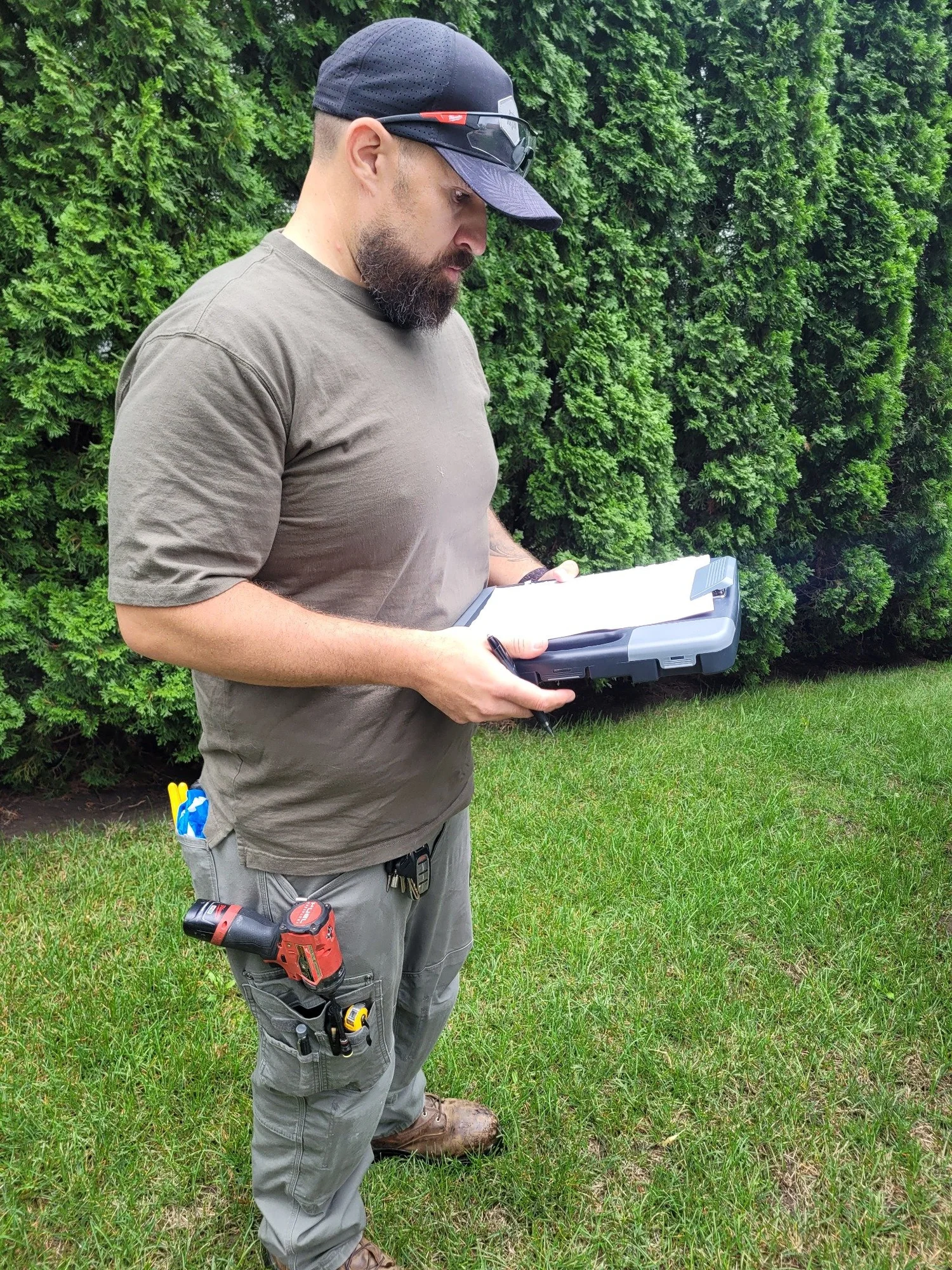
Told you need a new furnace? Let’s take a closer look.
You may have been presented with new equipment before you fully understood what was wrong with the old furnace. Bring the service notes or proposal, and tell us which questions are still unanswered.
We’ll evaluate the relevant conditions and explain whether a practical repair is available. If the findings support replacement, we’ll explain that too. An older furnace deserves a diagnosis and an honest discussion of its options.
Before discussing new equipment
- What has failed, and what findings support that conclusion?
- Can the problem be corrected with a safe repair?
- What would that repair cost, and what concerns would remain?
- How does replacement address your needs better?
If your furnace was shut down for a safety concern, leave it off until a qualified professional evaluates it. Repair-first includes understanding and addressing that concern.
When does furnace replacement make sense?
The answer depends on the equipment’s condition, the available repairs, and your priorities. These are conversations worth having after the problem is understood.
A repair has real limits
The required repair may be unavailable or impractical, or significant concerns may remain afterward. We’ll explain the specific limitation behind a replacement recommendation.
You’re weighing repeated repairs
Bring the repair history. We can discuss the present failure alongside past problems and help you compare the next repair with a replacement plan.
You’re planning a change
You may want different comfort features or to coordinate heating with other work on the home. We’ll discuss what the proposed change would accomplish.
Still deciding? Our furnace repair-or-replace guide walks through that decision. If your immediate concern is a furnace that stopped heating, start with furnace repair service.
Size, airflow, and the connections all matter.
A replacement needs to fit the home’s heating needs and the system around it. Tell us about cold bedrooms, noisy operation, recent remodeling, or changes to insulation and windows.
Equipment sizing should be supported by a heating-load calculation. Copying the old unit’s size or choosing a larger furnace because a room feels cold can miss the underlying problem.
ENERGY STAR explains the importance of proper sizing, airflow, and duct evaluation.
The heat your home needs
We discuss the basis for the proposed furnace capacity and the conditions it needs to serve.
The path the air takes
Supply and return connections, filter access, and airflow belong in the evaluation. Recommended changes should be explained in the proposal.
Venting, fuel, and drainage
The plan needs to account for the new furnace’s gas, electrical, combustion-air, exhaust, and condensate requirements as applicable.
The equipment that stays
We review how the proposed furnace will work with retained cooling equipment and controls, and explain any compatibility-related changes.
What changes between furnace models?
Heating capacity, fuel efficiency, heating stages, blower operation, and controls are different parts of the selection. We’ll explain the features that matter for the proposed system.
| Heating operation | What it means |
|---|---|
| Single-stage | Uses one heating output level when the burners are running. |
| Two-stage | Can operate at a lower or higher heating output. How those stages are managed depends on the equipment and controls. |
| Modulating | Can adjust heating output across a range. The available range and control requirements are specific to the model. |
What does AFUE mean?
Annual Fuel Utilization Efficiency describes how efficiently a furnace converts fuel energy into heat over a heating season. A higher rating indicates higher rated fuel efficiency. Your actual heating cost also depends on the house, fuel price, installation, and how you use the system.
Ask what an efficiency upgrade changes in the installation and what assumptions support any savings estimate.
For background, see Carrier’s explanations of furnace operating features and AFUE ratings. These references explain concepts; the equipment offered for your project will be identified in your proposal.
A written plan for the complete job.
Your proposal should make it clear what will be installed, what will be reused, and which changes are included. We’ll walk through the scope and answer questions before you decide.
Already comparing estimates? Use our quote guide to identify differences and ask for missing details.
What to clarify in writing
- Furnace model, capacity, efficiency, and proposed controls.
- Removal of the old furnace and included connection changes.
- Venting, drainage, duct, electrical, or gas work in the scope.
- Responsibility for required permits and inspections.
- Startup checks, cleanup, documentation, and homeowner walkthrough.
- Equipment and labor coverage, exclusions, and registration responsibilities.
- The agreed price, payment terms, and project schedule.
What to expect from the installation.
Confirm the arrangements
We discuss access, the planned work area, and the expected interruption to heat. Clear the agreed access path and keep pets away from the work area.
Install and check operation
We complete the agreed work and check the furnace against its installation requirements, including relevant operating and safety checks. Any condition needing follow-up is explained.
Walk through the system
We explain the controls, filter location, and care requirements. Keep the equipment information, warranty documents, and installation records together for future service.
For a homeowner overview of professional installation and testing, see Carrier’s furnace installation guide. Your written proposal defines the work for your home.
Understand the next step.
Will you check repair options after another company recommended replacement?
Yes. Tell us what happened and bring any findings or estimate you received. We’ll evaluate the relevant conditions and explain whether a safe, sensible repair is available. An inspection may confirm that replacement is appropriate; we’ll explain the reasons.
Do I need to replace my furnace because of its age?
Age helps frame the conversation, but we also consider the actual failure, condition, repair history, available parts, and your priorities. Our recommendation should have a clear explanation tied to your equipment.
Would a bigger furnace solve uneven heating?
Not necessarily. Duct or airflow issues can affect where heat reaches, and oversized equipment can cycle too frequently. We evaluate heating needs and air delivery before recommending capacity. Tell us which rooms struggle and when.
Does furnace replacement require replacing the air conditioner too?
Not automatically. The retained cooling equipment, furnace blower, and controls must work together. We review compatibility and condition, then explain what can remain and why any additional change is recommended.
What does furnace installation cost, and how long does it take?
Equipment selection, access, connection changes, and the agreed scope affect the price and schedule. We’ll provide a proposal after evaluating the project and explain timing and preparation before work begins.
What warranty and maintenance come with a new furnace?
We’ll explain the manufacturer’s equipment coverage and the labor or installation coverage in your proposal, including conditions and exclusions. Confirm registration responsibilities and ongoing care requirements. You can also ask about our maintenance services.
Let’s make a clear plan for your heat.
Whether you need a repair, a second opinion, or a furnace replacement, we’ll help you understand the next step. Tell us what you’ve noticed and what you’ve been told.
We don’t sell, we inform.