

Furnace short cycling? Find why it keeps stopping.
The heat starts, stops, and starts again. Note whether the home reaches its thermostat setting and whether the fan keeps moving air after the warmth fades.
Generations HVAC helps homeowners in Lombard and nearby suburbs understand heating problems and their repair options. Tell us what the furnace is doing, and we’ll discuss the next step.
We don’t sell, we inform.
Prefer to talk? Call 630-996-1157

Short heating runs that keep repeating.
Short cycling describes repeated, unusually brief heating runs. A furnace that stops and restarts while the house still needs heat deserves attention. [1]
It tries to heat, then stops
Tell us whether you hear an attempt to start, get a brief period of warmth, or notice an existing error message. Use observations you can make with the panels closed.
The fan runs while heat comes and goes
A temperature safety control can stop the burners while the blower continues cooling the furnace. Note whether airflow continues after the air turns cool. [3]
It has always used short runs
A longstanding pattern can involve thermostat location or equipment sizing. Weather and furnace staging also affect operation, so runtime alone isn’t a diagnosis. [2]
Check the basics without opening the furnace.
These steps are for a gas furnace. Keep equipment panels closed. Tell us if your home uses a heat pump or a combined heating system.
Check an accessible filter
Turn equipment off and follow the owner’s manual for filter access. Replace a dirty disposable filter with the specified type and size. Keep a filter installed during normal operation. [1]
Open and clear room grilles
Check that supply registers are open and return grilles aren’t blocked by furniture, rugs, or curtains. Avoid closing more vents to redirect heat. [1]
Look at the thermostat’s surroundings
Check the active setting and schedule. Note direct sunlight or a nearby heat source. Replace user-accessible batteries only as the manual directs. Mention a recent thermostat installation; leave wiring and relocation to a professional. [2]
Record what you already notice
Write down the room temperature, setpoint, approximate run and pause times, and whether the fan continues. Include any visible message. Don’t repeatedly restart the system to collect more examples.
The brief starts and stops continue? Set the thermostat to OFF and request service. Leave the cause of the repeated shutdowns to a technician. [1]
Request a furnace diagnosis →Find what ends the heating call.
We need to determine whether the thermostat stopped asking for heat or the furnace interrupted operation.
Airflow and overheating
Restricted airflow can allow furnace temperatures to rise until a safety limit operates. The control may be protecting the equipment. We check why it operated before discussing a repair. [3]
Thermostat readings or setup
A thermostat affected by a nearby heat source, an installation problem, or a fault can interrupt the heating call. Its reading and setup need to fit the system and home. [2]
Ignition, flame detection, or lockout
Ignition problems, flame-detection faults, fuel-pressure issues, or venting problems can lead to interrupted operation and lockout. Testing establishes which condition is present before parts are cleaned or replaced. [4]
Equipment capacity and home demand
An oversized furnace can create brief runs. A history dating to installation or major insulation improvements is useful. Equipment sizing deserves evaluation alongside controls and airflow. [2]
Repeated shutdowns need an explanation.
Request service if the pattern continues after the basic checks, is new for your furnace, or leaves the home below its thermostat setting. Share any recent work on the system and the observations you’ve already gathered.
A recurring lockout needs its underlying cause addressed. Don’t bypass a safety control or keep cycling the power to make the furnace start again. [4]
For smoke, sparks, or a loud ignition bang, stop using the equipment. Leave and call 911 for fire or immediate danger. Follow the gas and carbon monoxide instructions above if either is suspected.
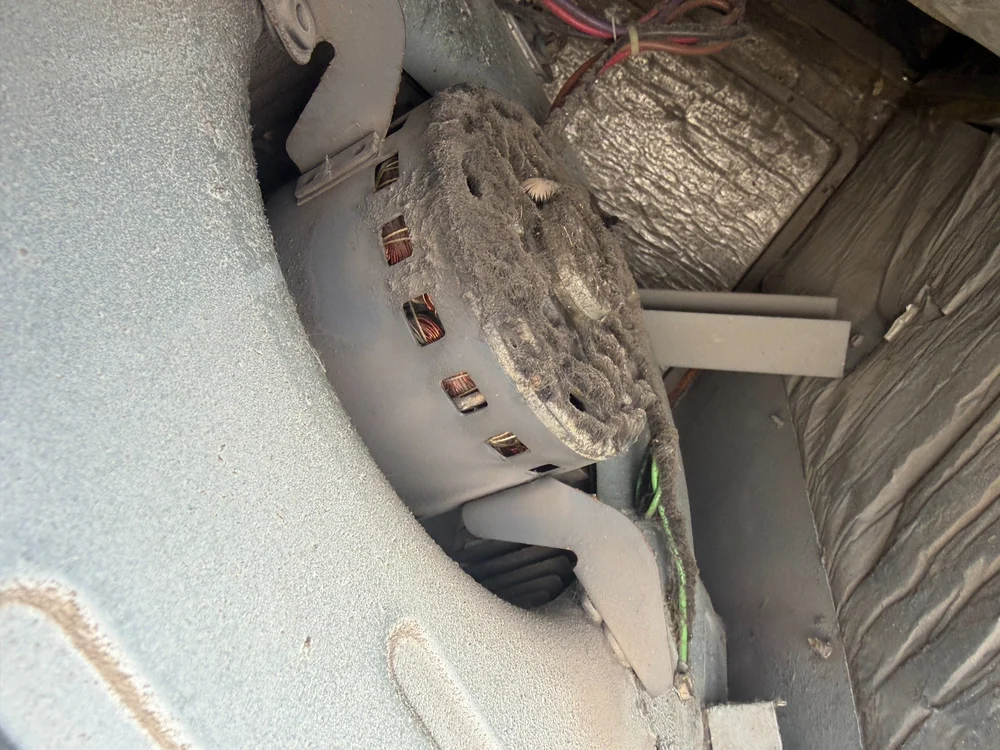
Follow the findings through the system.
A good explanation connects the symptom to the reason the furnace stopped. We’ll discuss what the inspection and testing show, what a proposed repair addresses, and what you can expect from the next step.
If equipment sizing or replacement deserves consideration, we’ll explain the evidence and review the options with you. Questions are welcome throughout the conversation.
See our furnace repair approach →Furnace keeps turning on and off: what to know.
How many minutes should a furnace run?
There isn’t a single runtime that fits every home and furnace. Weather, staging, and heating demand affect the pattern. Repeated brief interruptions, changing comfort, and a new operating pattern are more useful clues than a stopwatch reading alone. [2]
Can a dirty filter cause short cycling?
Yes. Restricted airflow can contribute to overheating and a protective shutdown. Check an accessible filter using the owner’s manual, then request service if the problem returns. [1]
Does a limit fault mean the limit switch is bad?
Not necessarily. The control may be responding to excessive temperature, or it may have a fault. The cause needs testing. Don’t bypass, reset, or replace a safety limit as a trial fix. [3]
Should I keep resetting it until the house warms up?
No. Repeated resets don’t correct the reason for a lockout. Stop trying to force another start and have the condition investigated before returning the system to normal use. [4]
What if the fan runs but the air turns cold?
That’s a useful detail to report. Our Furnace Blowing Cold Air guide explains that pattern. If nothing starts at all, use the Furnace Not Turning On guide.
Sources behind this guide
- Carrier: short cycling and safe airflow checks
- Trane: cycling patterns, thermostats, and furnace sizing
- Trane: furnace temperature limits and blower operation
- Trane: ignition faults and furnace lockouts
- Nicor Gas: natural gas safety and emergency contacts
- U.S. Consumer Product Safety Commission: carbon monoxide alarms
Let’s find out why your furnace keeps stopping.
Tell us how the system behaves and whether your home is reaching its temperature setting. We’ll discuss availability and the next step.
An online request is not a confirmed appointment.