

Furnace leaking water? Find where it starts.
A puddle beside the furnace needs attention. The water may come from furnace drainage, a humidifier, the AC system, or another nearby source. [1]
Generations HVAC helps homeowners in Lombard and nearby suburbs investigate water around heating and cooling equipment. Tell us where you first noticed it and whether heating or cooling was running.
We don’t sell, we inform.
Prefer to talk? Call 630-996-1157
What can cause water around a furnace?
The puddle’s location is a starting point. A technician needs to trace the water to its source before recommending a repair.
Condensing furnace drainage
A condensing furnace produces liquid condensate while heating. If its drain path becomes blocked, water can back up instead of draining away. The water belongs in the drainage system, not on the floor. [2]
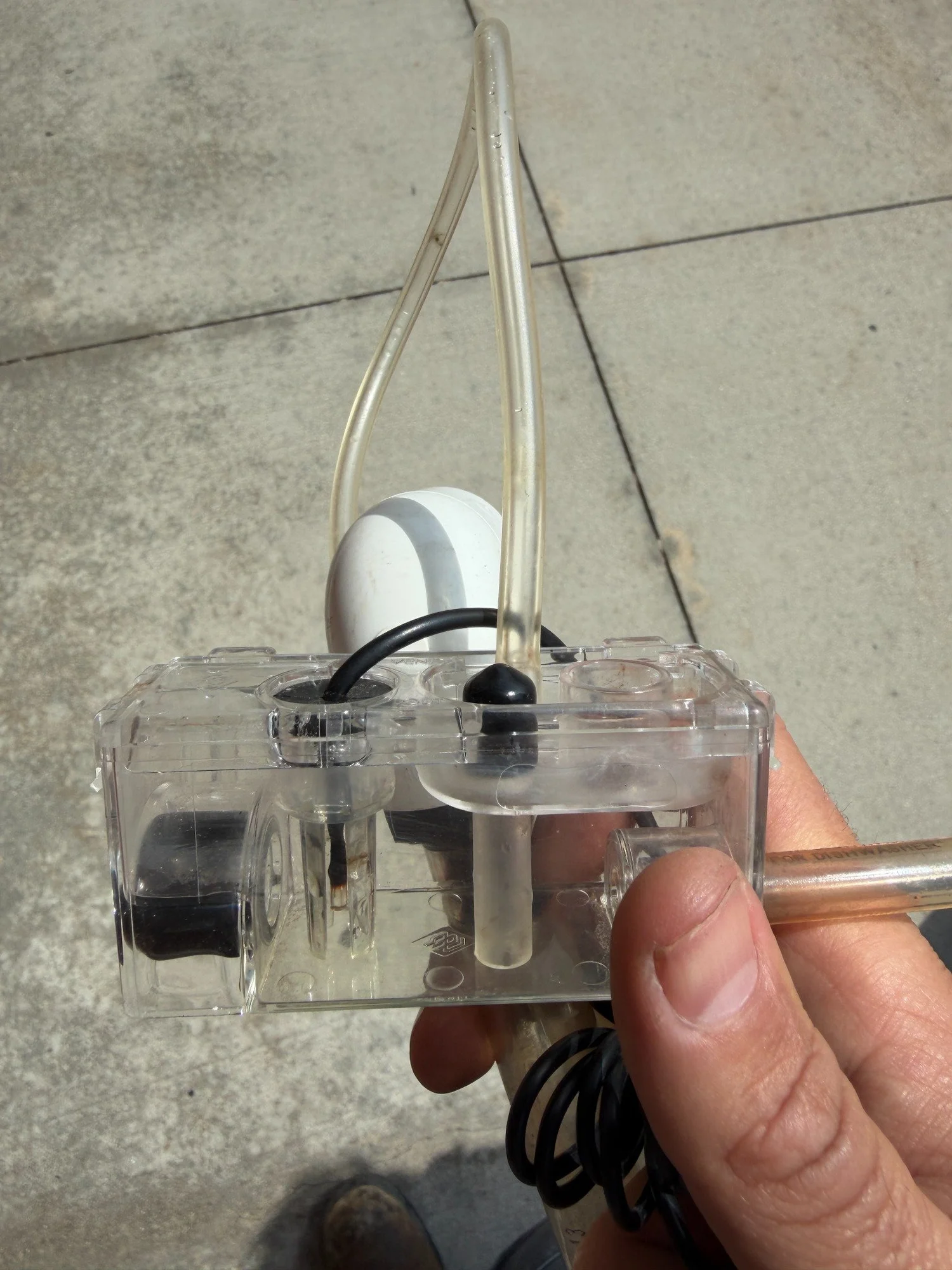
A condensate pump or connection
Some installations use a pump to move collected water to a drain. Pump trouble or leaking drain connections can leave water near the equipment. A full reservoir or pump noise alone doesn’t identify the failed part. [1]
A whole-house humidifier
On evaporative humidifiers, mineral buildup in the water panel, a blocked drain, or a damaged feed tube can cause leakage. Tell us if you see water below the humidifier without opening its housing. [3]
The AC coil or condensate drain
During cooling, the indoor coil removes moisture from the air. A blocked drain, damaged pan, or melting ice on a frozen coil can produce water near the furnace even when it isn’t making heat. [4]
Check the surroundings, too. A water heater, washing machine, utility sink, or nearby plumbing may be the source of a puddle beside the furnace. [1]
A few details can help us get started.
Only observe from a dry, safe location. Keep equipment panels closed. You do not need to restart the system or handle any drain parts to prepare for a call.
Note the operating mode
Was the thermostat calling for HEAT or COOL when you noticed the water? Mention if neither mode was running or you aren’t sure.
Describe the first wet spot
Was water visible beneath the cabinet, beside a pump, below a humidifier, or near another appliance? Use what you can already see; don’t reach behind equipment.
Explain what changed
Tell us whether it is a slow drip, a growing puddle, or a stain that appeared earlier. Mention recent filter changes, maintenance, or other work in the area.
Report the heating condition
Is the house still receiving heat? Mention any thermostat message, repeated shutdown, or unusual noise you already noticed. An existing photo can help explain the location.
Leave the drain assembly intact. Don’t disconnect traps or hoses, add drain chemicals, force compressed air through tubing, or bypass an overflow switch. The correct repair depends on the installed equipment.
Tell us about the water you found →When did the water appear?
These details help us decide what to inspect. They don’t replace checking the source.
While the heat was running
Tell us if it appeared during a heating cycle and whether a humidifier was also in use. Condensate drainage and humidifier water are different paths to investigate. [1]
While the AC was running
Mention weak cooling or ice you had already seen. Ice melting from the indoor coil can add water, so include whether the puddle appeared after cooling stopped. [4]
After the system stopped
Let us know whether dripping continued after you turned the thermostat off. Don’t restart it to compare; report the timing you have already observed.
Have an active or recurring leak checked.
Request service for water coming from the cabinet, repeated puddles, or a leak accompanied by loss of heat. Water can damage the equipment and surrounding materials, so don’t dismiss a recurring drip because it looks small. [2]
If water has reached electrical equipment, keep clear and arrange qualified electrical help. Equipment that looks dry later may still need inspection before it is used again. [5]
Find the leak. Explain the next step.
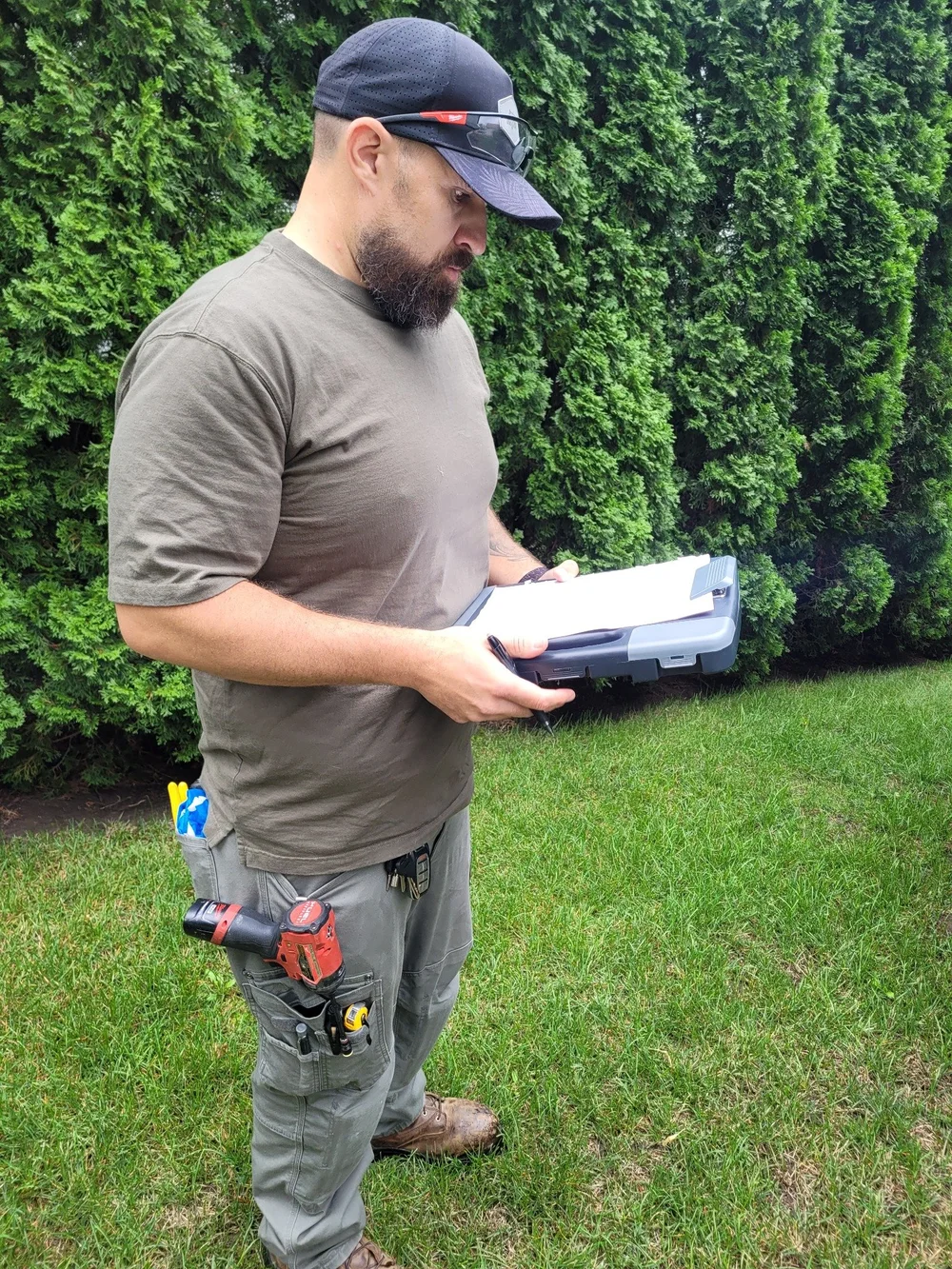
We start with your observations, examine the equipment, and discuss what the findings support. Ask us to show you the source and explain which repair addresses it.
If another trade is needed, we’ll explain what we found. If repair or replacement options deserve consideration, you should understand the reason before deciding how to proceed.
See our furnace repair approach →Furnace water leaks: questions homeowners ask.
Is it normal for a furnace to produce water?
A condensing furnace produces water as it extracts heat from combustion gases. That water should drain through the intended system, not collect on the floor. A technician can identify your furnace type and investigate its drainage. [2]
Can I keep running the furnace if the leak is small?
Set the thermostat OFF if safely accessible from a dry area, and request advice about the leak before using it again. If electrical components are wet, they need qualified inspection before restarting. Follow the gas and carbon monoxide instructions above if either is suspected. [5]
Could the humidifier be leaking instead?
Yes. A clogged water panel or drain, cracked components, or a feed tube problem can cause an evaporative humidifier to leak. Tell us where the water appears; leave internal checks and repairs to a technician. [3]
Does a puddle mean I need a new furnace?
A puddle alone is not enough to make that recommendation. A drain, pump, humidifier, AC component, or nearby water source may be involved. The source and equipment condition need to be established first. [1]
What if the leak stops before the technician arrives?
Keep your notes about when it happened and any existing photos. An intermittent problem can still need attention. Don’t run another cycle to reproduce the leak; describe the last conditions you observed.
Sources behind this guide
- Trane: water near the furnace, condensate pumps, and other possible sources
- Carrier: furnace condensate drainage and water leaks
- AprilAire: evaporative humidifier leak questions
- Carrier: air conditioner water leaks
- Electrical Safety Foundation International: water-exposed electrical equipment
- Nicor Gas: natural gas safety and emergency contacts
- U.S. Consumer Product Safety Commission: carbon monoxide alarms
Let’s talk about the water you found.
Tell Generations HVAC where you’re located, what you noticed, and whether the furnace still heats. We’ll discuss availability and the next step.
An online request is not a confirmed appointment.