

Furnace heating unevenly? Start with the cold rooms.
A warm living room and a cold bedroom tell a different story than a house with no heat. Start by identifying which rooms feel uncomfortable and when the difference is most noticeable.
Generations HVAC helps homeowners in Lombard and nearby suburbs investigate uneven heating. We’ll discuss what you’ve noticed and the checks needed to understand the problem.
We don’t sell, we inform.
Prefer to talk? Call 630-996-1157

Why are some rooms colder than others?
A furnace is one part of the system. Air must reach the rooms, return to the equipment, and keep up with the heat those rooms lose.
Restricted airflow
A loaded filter or blocked room grille can reduce airflow. Severe restriction can also cause overheating and repeated safety shutdowns, affecting comfort throughout the house. [1]
A limited return-air path
Supply air entering a bedroom needs a route back to the system. With a closed door and an inadequate return path, pressure differences can reduce circulation and contribute to uneven temperatures. [2]
Duct leaks or missing insulation
Leaky or poorly insulated ducts can make it harder to deliver useful heat to rooms. Where those defects exist, appropriate duct sealing and insulation can improve comfort. [3]
Drafts and insulation gaps
A room can receive warm air and still feel cold. Air leaks and inadequate insulation in walls, attics, or floors can contribute to room-to-room temperature differences. [4]
The thermostat’s location
A thermostat affected by sunlight or a nearby heat source may sense a warmer temperature than the rest of the home. Tell us if the heating stops while other rooms remain cold. [5]
Heating cycles that keep stopping
Repeated short heating cycles can leave uneven temperatures. Airflow, thermostat problems, and equipment sizing are possible contributors; the symptom alone does not identify the cause. [5]
Start in the rooms, then check the filter.
Use these checks when the equipment is operating without the warning signs above. Keep furnace panels closed and leave internal adjustments to a technician.
Clear supply and return grilles
Keep room supply registers open and return grilles clear of rugs, furniture, and curtains. Don’t close more registers to push heat toward a cold room. [1]
Check an accessible filter
Turn the system off and follow the owner’s manual for routine filter access. Replace a dirty disposable filter with the specified size and type. If access requires internal disassembly, leave it to a technician. Keep a filter installed during normal operation. [1]
Review the thermostat
Confirm HEAT mode, the set temperature, and any scheduled setback. Note whether nearby lamps, appliances, or sunlight might affect its reading. Leave wiring and thermostat relocation to a professional. [1] [5]
Make a simple room log
List the cold room, a comfortable comparison room, the time, and whether each door was open or closed. If you have a room thermometer, let its reading settle away from vents, windows, and direct sun.
Still uneven? Tell us what changed after the basic checks. Leave blower speeds, duct dampers, zoning controls, and gas settings to a technician; changing them by trial and error can create other operating problems.
Tell us which rooms stay cold →One room, one floor, or the whole house?
Your observations help us focus the visit. Share what happens during normal use; you don’t need to force another heating cycle.
One bedroom stays cold
Tell us whether the door is usually closed, whether air reaches the register, and whether the room has always felt different or changed recently.
Upstairs and downstairs differ
List which floor feels warmer, where the thermostat is located, and whether the difference changes during the day. Mention any addition, finished attic, or remodeled space.
The whole house struggles
If most rooms remain cold or the furnace repeatedly stops, describe that separately. Use our short cycling guide for frequent starts and stops.
Get persistent cold rooms evaluated.
Request service when a room remains uncomfortable after the basic checks, airflow suddenly changes, or the heating pattern is getting worse. Mention loss of heat, new noises, or thermostat messages when you contact us.
An evaluation may include room airflow, supply and return paths, accessible duct condition, thermostat operation, and whether the furnace completes a normal heating cycle. If heat loss appears to be part of the problem, we’ll discuss whether an insulation or air-sealing assessment is appropriate.
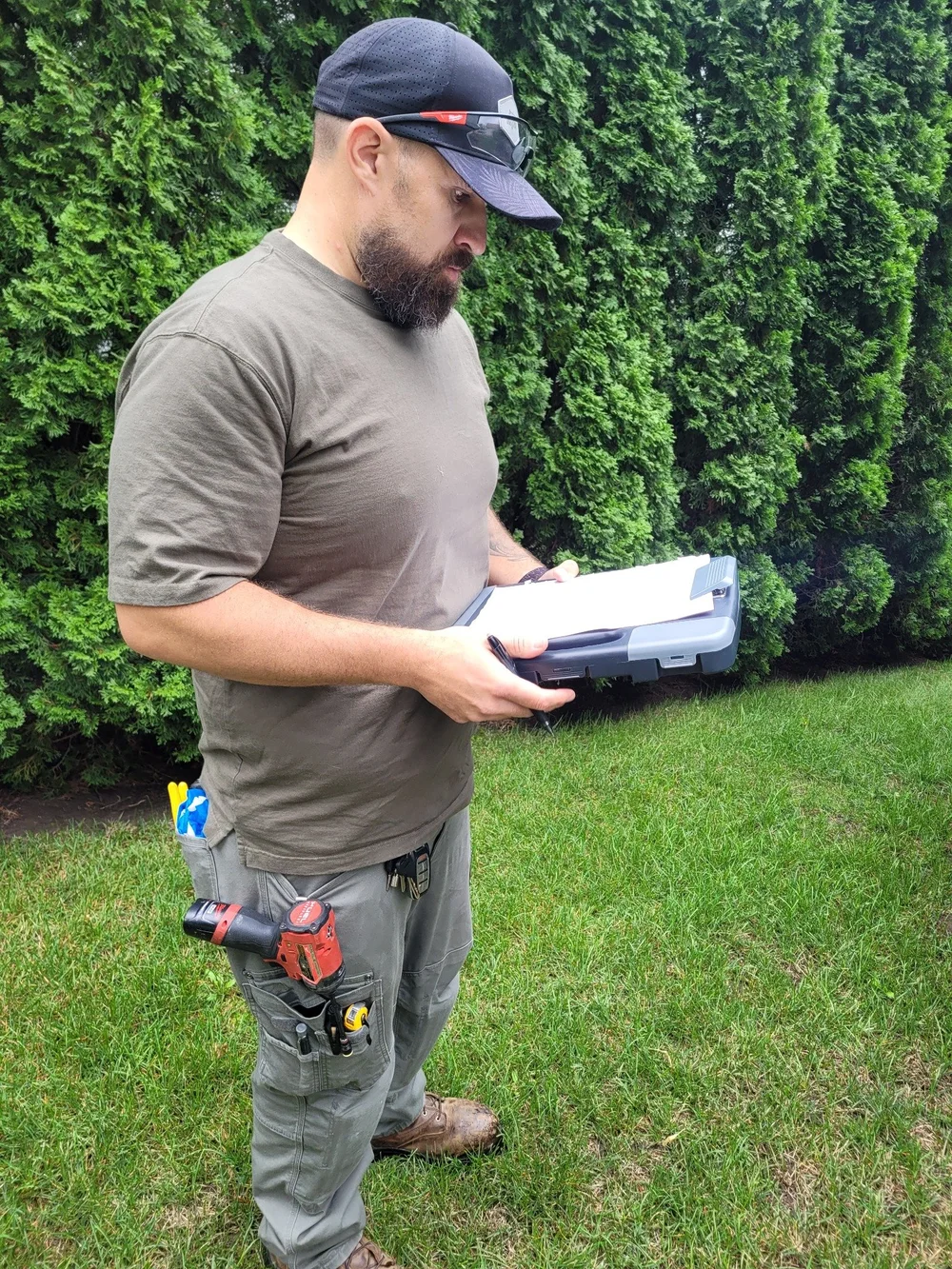
Match the recommendation to the problem.
We’ll explain what we find and why a proposed change should help the affected rooms. Ask how we distinguish an equipment problem from air distribution or heat loss.
A cold bedroom alone is not a reason to choose a bigger furnace. Before discussing replacement, we want to understand the existing system and the home’s heating needs.
See our furnace repair approach →Uneven heating: questions homeowners ask.
Why is one room cold when warm air comes from its vent?
Warm air at a register does not tell you how much heat the room receives or loses. Duct problems, inadequate insulation, and air leaks can contribute. The room and its air supply need to be evaluated together. [3] [4]
Should I close vents in the warm rooms?
Keep room registers open for the basic checks. Closing registers can restrict airflow and contribute to overheating or short cycling. Have a technician evaluate balancing instead of closing vents throughout the house. [1]
Why is the bedroom colder with its door closed?
A closed door can restrict the path back to a central return if the room lacks an adequate return-air route. A professional can check room pressure differences and discuss suitable return-path improvements. [2]
Would a bigger furnace fix uneven heating?
Not necessarily. An oversized furnace can cycle too quickly, and added capacity does not establish that heat will reach the cold room. Equipment sizing needs to be evaluated along with distribution and the home’s heating requirements. [5]
Sources behind this guide
- Carrier: furnace filters, vents, and basic troubleshooting
- Pacific Northwest National Laboratory: ducted returns and room pressure differences
- ENERGY STAR: duct sealing and comfort
- ENERGY STAR: insulation, air leaks, and uneven room temperatures
- Carrier: thermostat location, furnace sizing, and short cycling
- Nicor Gas: natural gas safety and emergency contacts
- U.S. Consumer Product Safety Commission: carbon monoxide alarms
Let’s talk about the rooms that stay cold.
Tell Generations HVAC where you’re located, which rooms feel different, and when you notice it. We’ll discuss availability and the next step.
An online request is not a confirmed appointment.